
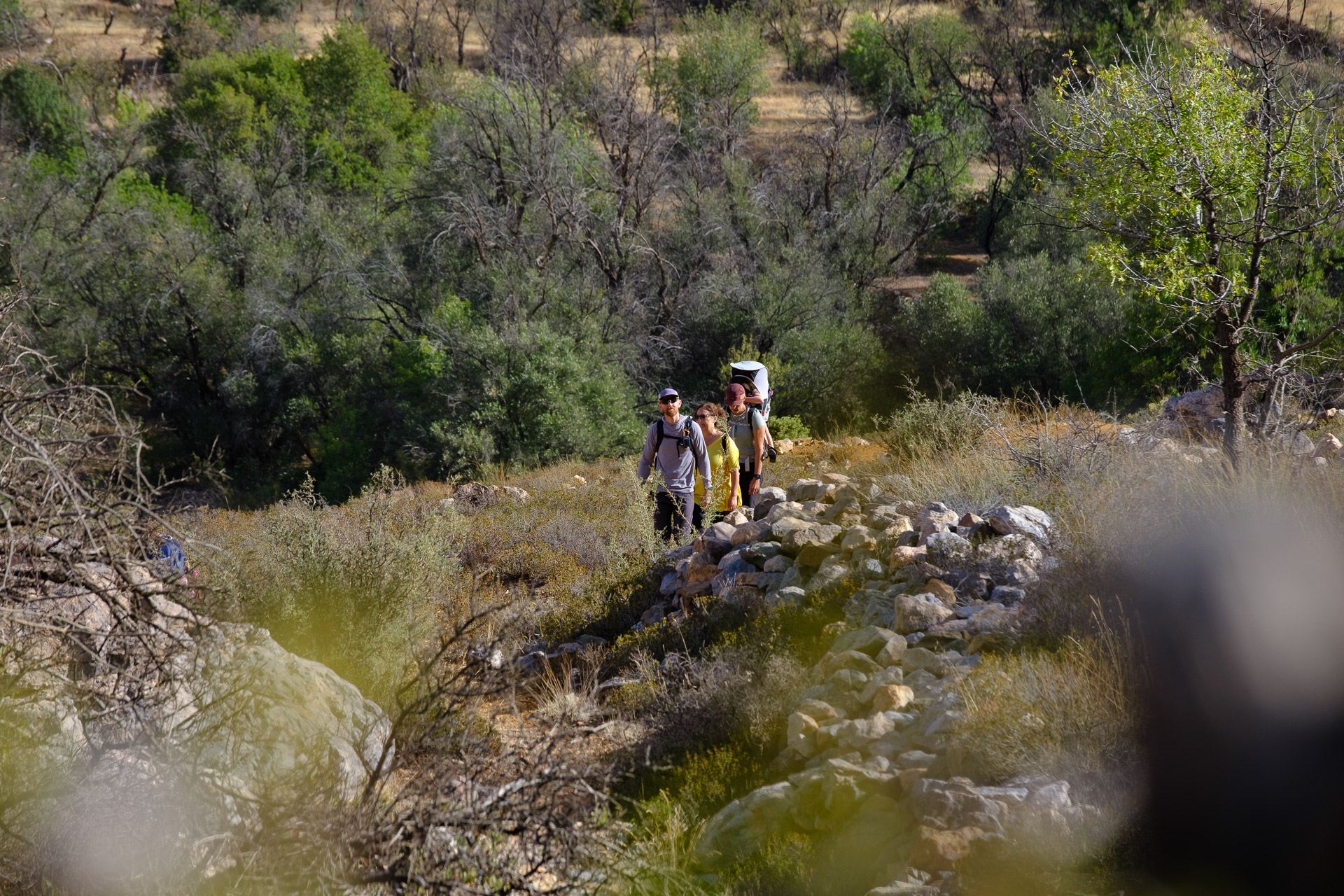
Ramadan is a deeply spiritual time for Moroccans, where the pace of life slows down, and the atmosphere takes on a more reflective tone. However, just because everyone is fasting, it doesn’t mean that adventuring must come to a halt. For those planning adventures in the mountains of Morocco during this holy month, it is still very much possible. It’s helpful to understand how the rhythms of daily life might change your travel plans. Here’s a guide to help you navigate mountain adventures while respecting the cultural significance of Ramadan.
Understand the Ramadan Rhythms
In Morocco, Ramadan follows the Islamic lunar calendar, which means the timing shifts slightly each year. During Ramadan, Muslims fast from dawn (Fajr) to sunset (Maghrib). While this doesn’t mean you need to stop adventuring, it’s crucial to be aware of the fasting hours, especially if you’re adventuring in remote areas.
- How long do people fast? Fasting lasts about 30 days and typically starts just before sunrise and ends after sunset each day. You can plan your adventures normally during the day, but be prepared to have your own food with you if you are not fasting. It will be very difficult to get a meal during the day especially in rural areas. Getting back to your lodging to enjoy a Ftour (Iftar) meal after a long day of adventure is always satisfying.
- Suhoor: The pre-dawn meal (Suhoor) is eaten before the fast begins. Mountain villages will often have different rhythms during this period and fewer people are out during the day, especially in the hotter months. While locals will stop eating at dawn, most guesthouses and hotels provide breakfast for tourists anytime requested, and may provide lunch upon request. But make sure to confirm beforehand.
- Ftour (Iftar) – After sunset, locals break their fast with Iftar, or Ftour (breakfast) in the local dialect. Eating ftour with locals is a fantastic opportunity to experience the culture. You’ll generally find that local eateries in towns or villages in the mountains offer hearty meals for the evening meal. During Ramadan some of them may even serve the traditional Ftour meal. A typical Ftour table is usually filled with a feast of dates, soup, local breads, fried specialties called shebekia and briowat, and fresh juices. It is always the custom to break the fast with a date.
Respect Local Customs
- Respect the Fast: All across the country, most locals will be fasting, and it’s important to respect that. Foreigners and tourists are by no means expected to fast, but are always welcome to join in the fast. If you are not fasting, try not to eat, drink, smoke, or drink alcohol in front of those who are fasting. It’s always a good idea to be discreet about your own eating or drinking especially during the day. It’s also important to be aware that alcohol is difficult to get throughout the country during the month of Ramadan. A few stores are open in larges cities, but all foreigners are required to show a valid passport in order to enter.
- Get Curious About Local Customs: Moroccans are very proud of their culture and their customs. Ramadan is a great time to ask locals about what it means to them and what they love most about it. Get curious about their beliefs, customs, and learn new things from them. They will be happy to share!
- Consider Dressing Modestly: While adventuring, it’s respectful to dress conservatively, as Morocco is a predominantly Muslim country. It’s not required, but does show respect especially during the holy months. Be mindful of wearing light, breathable clothes but avoid shorts and revealing attire when passing through villages or meeting locals.
Be Prepared for Changes in Schedules + Services
- Time Change: In Morocco, the time goes back an hour (to UTC time) a few days before the holiday and then changes back a few days after it ends. If you had a flight where the times changed a few weeks ago, this is probably why. Just be aware how this time change may affect any of your plans.
- Guides + Services: Some mountain guides or trekking companies may operate on adjusted schedules during Ramadan. Be sure to confirm arrangements in advance, and be prepared for a different pace as local staff may also observe fasting hours. Most people still go on with work and life while fasting, but it’s good to confirm ahead of time.
- Lodging + Meals: Hotels, guesthouses, and gîtes (mountain lodges) may have modified meal times, so it’s crucial to confirm meal availability. But generally, meals are available at all times at these venues for tourists. You may need to plan ahead for meals that you will be eating on-the-go, especially in more remote areas. While shops and stores are usually open during the daytime, everything closes from around 4pm to 8pm. Unless you are in larger cities and tourism destinations, most restaurants will be closed during the day until the evening. This does require some planning if you are hoping to find a restaurant or place to eat during the day, so make sure to keep that in mind.
Connect with Locals
- Be Patient + Embrace New Rhythms: Be patient, and understand that locals may have different energy levels during the day. Fasting can be physically demanding, so try to be empathetic. The evenings are lively once the fast is broken, with many out socializing, so make the most of the evening time to learn about local customs. Many go to the mosque for prayers after Ftour and then spend the rest of the evening enjoying time out with friends and family. You will see this especially in the cities, but villages have a life of their own during Ramadan evenings.
- Share Ftour with Locals: Ramadan is a time that is cherished by locals as time for connection, especially in the evening when the fast is broken. Embrace the changes in schedule and look for opportunities to celebrate this sacred season with locals. If you’re invited to join a local family or guide for Ftour, it’s a gesture of honor that you should embrace. Sharing Ftour with locals is a great way to bond and immerse yourself in the culture. It’s also a joyful and convivial time for all.
- Wish Locals a Happy Ramadan: The simplest way to wish someone a happy Ramadan is by saying: Ramadan Kareem or Ramadan Mubarak. As a response, you can either use the above mentioned phrases or say 3lina w 3lik, which means to us and you. For extra points you might say, Mabrouk lw3shera.
Adventuring in the mountains of Morocco during Ramadan offers a unique opportunity to experience the country’s natural beauty and rich cultural heritage in a serene and reflective environment. By respecting local customs, planning your activities around the fasting schedule, and engaging with local communities with empathy and awareness, your mountain adventure during Ramadan will be a memorable, enriching experience.